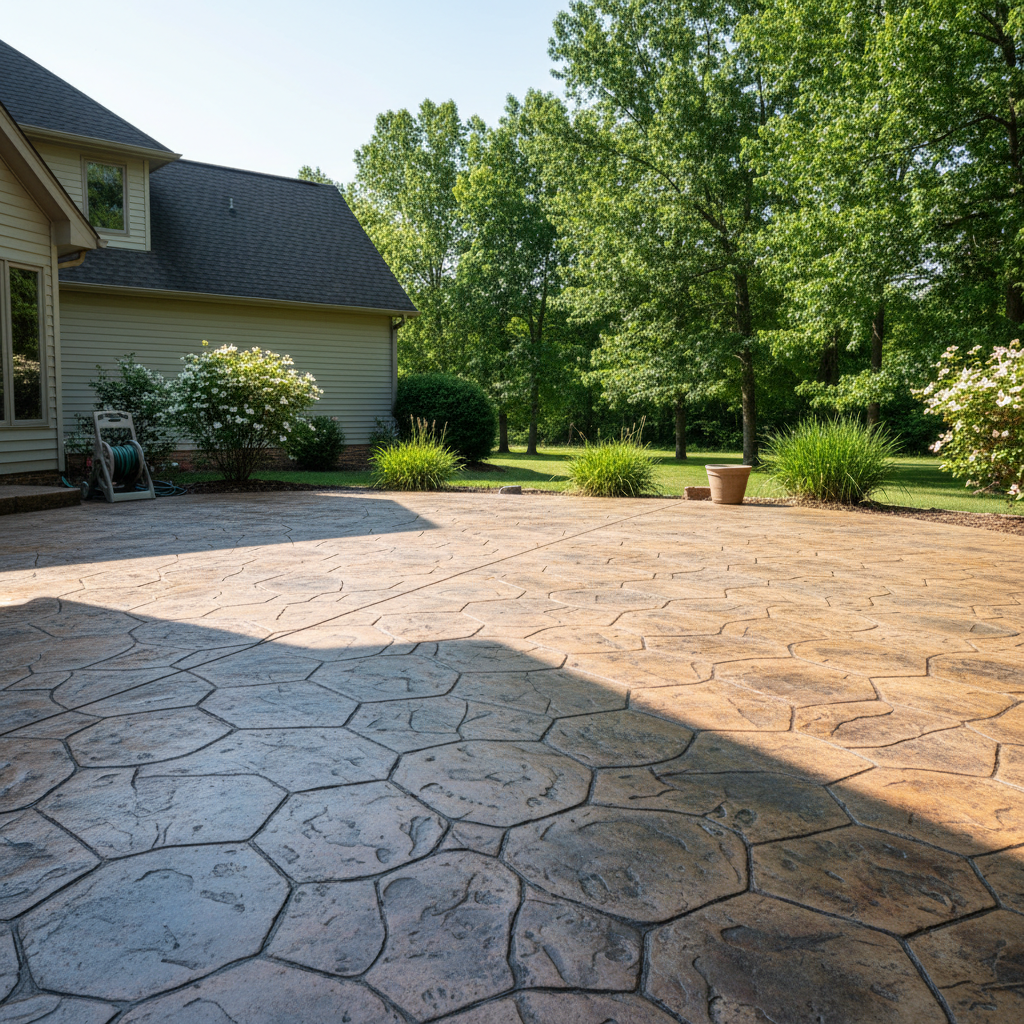
So, you've got some good-looking stamped concrete, right? Maybe it's a patio, a walkway, or even your driveway. You probably picked stamped concrete because it's tough and looks fantastic, mimicking stone or brick without all the fuss. But just like anything else around your place, it needs a little TLC to stay that way, especially with the kind of weather we get here in Spokane, MO.
I've seen plenty of stamped concrete jobs over the years. Some look brand new after a decade, and some start to fade or crack way too soon. The difference? Maintenance. It's not rocket science, but there are a few key things you've gotta do.
Making Your Stamped Concrete Last Longer
The biggest thing you can do to protect your stamped concrete is keep it sealed. Think of the sealer as a shield. It protects the surface from water, UV rays, oil, and all the other stuff that tries to mess it up. Here in Missouri, we get a full range of seasons – scorching summers, wet springs, and freezing winters. That freeze-thaw cycle is brutal on concrete, and a good sealer helps stop water from soaking in and expanding when it freezes. That's a major cause of spalling and cracking, you know?
You should plan on re-sealing your stamped concrete every 2-3 years. Sometimes more often, especially if it's a high-traffic spot or gets a lot of direct sun. When I'm talking to folks in areas like the Ozark Highlands, where properties often have a lot of tree cover, I tell them to keep an eye out for moss or mildew too. That stuff will hold moisture and break down the sealer faster. Before you re-seal, the surface absolutely needs to be clean and dry. Don't skip that step, or you'll just seal in the dirt.
Regular Upkeep: What You Need to Do
Beyond sealing, regular cleaning is your best friend. It's pretty straightforward:
- Sweep it often: Get rid of leaves, dirt, and debris. This stops organic matter from breaking down on the surface and staining it.
- Hose it down: A good rinse with a garden hose and a stiff brush (not wire!) can get rid of most grime.
- Mild soap for tough spots: For oil spills or stubborn dirt, use a mild detergent like dish soap mixed with water. Scrub it, then rinse thoroughly. Don't use harsh chemicals or pressure washers on high settings, as they can strip the sealer or even damage the concrete surface.
- Watch for stains: If you spill something like motor oil, paint, or even a strong drink, clean it up immediately. The longer it sits, the harder it is to remove, and it can permanently stain your beautiful finish.
One thing I always tell my Elite Concrete Solutions customers: be careful with de-icing salts in winter. Many de-icers contain chemicals that can really eat away at concrete, especially freshly sealed or less durable surfaces. Sand is usually a safer bet for traction. If you do use a de-icer, make sure it's concrete-safe, often labeled as containing calcium chloride or potassium chloride, not sodium chloride (rock salt).
Warning Signs of Trouble
Your stamped concrete will tell you when it's not happy. You just need to know what to look for:
- Fading color: If that vibrant color you loved is starting to look dull or washed out, your sealer is probably wearing thin. That's a clear sign it's time to re-seal.
- Water absorption: Pour a little water on the surface. If it soaks in quickly instead of beading up, your sealer isn't doing its job anymore.
- Surface flaking or spalling: Small pieces of the concrete surface flaking off. This usually means water got in and froze, pushing off the top layer. This is a more serious issue and often points to a lack of proper sealing.
- Cracks: Hairline cracks are pretty common with concrete and often nothing to worry about. But if you see cracks getting wider, longer, or if they're accompanied by uneven surfaces, that's a red flag.
- Weed growth: Weeds pushing through cracks or joints mean those areas aren't sealed properly or the concrete itself might be shifting.
When to Call a Professional
While a lot of maintenance is DIY-friendly, there are times you really should bring in someone who knows what they're doing. If you're seeing significant cracking, large areas of spalling, or if the surface is becoming uneven, those aren't simple fixes. Trying to patch up structural issues yourself can often make things worse or just be a temporary band-aid. Also, if you're unsure about the right type of sealer to use, or if you've got a really large area to re-seal and don't want to mess it up, it's worth getting a pro like Elite Concrete Solutions to handle it. We've got the right equipment and experience to get it done right, ensuring your investment lasts for years to come.
Taking care of your stamped concrete isn't a huge chore, but it's essential. A little effort now means you'll enjoy that beautiful patio or driveway for decades, no problem.