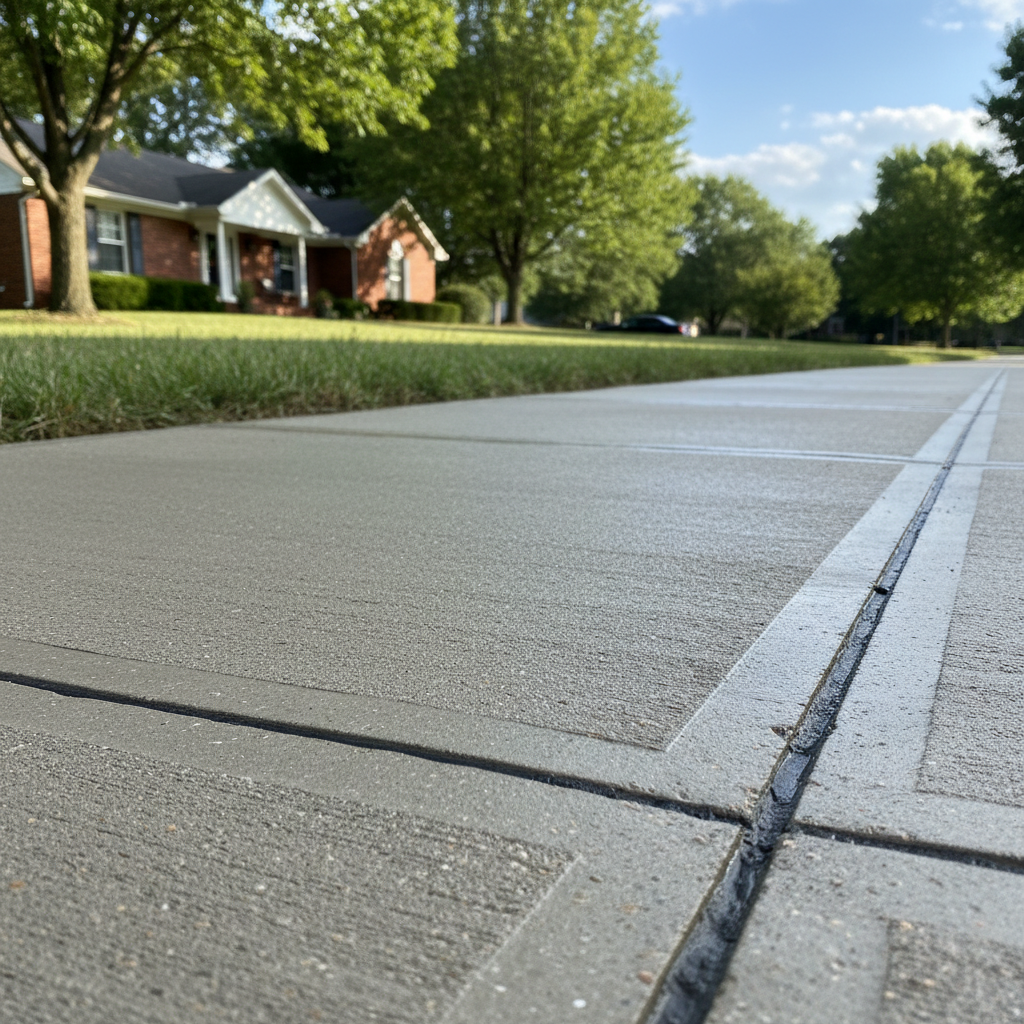
Alright, let's talk sidewalks. You'd think it's just concrete, right? Pour it, let it dry, done. But I get a lot of questions from folks around Spokane, especially in older neighborhoods like the South Hill where mature trees are everywhere, that go way beyond the basics. So, I figured, let's dig into some of those common head-scratchers.
How do I stop tree roots from wrecking my sidewalk?
This is a big one, no doubt, especially with those beautiful, established trees we have all over Spokane. You love the shade, but those roots sure love to push up your concrete. First off, if you're pouring a new sidewalk near a tree, think about root barriers. These are tough plastic or fabric sheets we bury vertically between the tree and the sidewalk. They guide the roots deeper into the ground, keeping them away from your slab.
If you've already got a problem, you've got a few options. You can try root pruning, but you really need to be careful not to kill the tree. Talk to an arborist about that, seriously. Sometimes, if the damage isn't too bad, we can grind down the lifted section to make it less of a trip hazard, but that's only a temporary fix. For serious heaving, you might need to remove and replace that section. This time, we'd look at cutting out the offending roots (again, carefully!) and installing a root barrier before pouring new concrete. We've seen some real battles between concrete and roots in places like Browne's Addition.
Can I pour a new sidewalk right over my old, cracked one?
Short answer? Usually no, and you really shouldn't. It's tempting, I know. Save some demo work, right? But here's the deal: if your old sidewalk is cracked, heaved, or sinking, it's doing that for a reason. There's an issue with the subgrade underneath it – maybe poor compaction, drainage problems, or those pesky tree roots we just talked about. If you just pour new concrete over the old, you're not fixing the real problem.
All that'll happen is the same issues will eventually transfer through to your new slab. You'll end up with cracks and movement in your brand-new sidewalk, and you'll have wasted a lot of money. It's almost always better to tear out the old, address the subgrade issues, and pour fresh. It's more work upfront, but it saves you headaches and cash in the long run, believe me.
What's the deal with control joints and expansion joints? Do I really need them?
Absolutely, you need them. They're not just for looks; they're critical for how long your concrete lasts. Think of concrete like a living thing – it expands and contracts with temperature changes, and it's going to crack. It's not a matter of 'if,' but 'where.'
Control joints (those cuts you see in sidewalks) are there to *control* where the cracks happen. We cut them deep enough to create a weak plane, so when the concrete inevitably cracks, it cracks neatly along that line, out of sight. Expansion joints, on the other hand, are full-depth separations, usually filled with a flexible material like asphalt or fiberboard. These let the concrete expand without pushing against other structures, like your house foundation or another slab. Without them, you'd get massive pressure buildup, leading to buckling and serious damage. We plan these out carefully at Elite Concrete Solutions to make sure your Spokane sidewalk lasts.
How often should I seal my concrete sidewalk?
Sealing is your concrete's best friend, especially with our Spokane winters. It protects against moisture getting in, freeze-thaw cycles, de-icing salts, and even oil stains. For a typical residential sidewalk, I'd say every 2-3 years is a good rule of thumb. If it's a high-traffic area, or if you're really aggressive with de-icing salts in the winter, you might want to do it every year.
It's not a huge job. Clean the surface thoroughly first – a good pressure wash usually does the trick. Make sure it's completely dry. Then apply a good quality penetrating sealer. It's a small investment in time and money that pays off big by extending the life and look of your sidewalk.
My sidewalk gets really slippery in winter. What can I do?
Yeah, that's no fun. Ice on concrete is a recipe for a fall. A good sealer can help a bit by making the surface less porous, so water doesn't soak in and freeze as easily, but it's not a magic bullet for slipperiness. For existing slippery sidewalks, you can look into anti-slip coatings. These are usually clear sealers with fine aggregate mixed in, like sand or aluminum oxide, which gives the surface some grit.
Another option, if you're pouring new, is to have us add a broom finish or a textured stamp. These finishes aren't perfectly smooth, so they offer more traction. For existing sidewalks, always be diligent with shoveling and consider using sand or non-corrosive de-icers. Be careful with rock salt; it can damage your concrete over time, you know?
What's the best way to clean my concrete sidewalk without damaging it?
Most of the time, a good pressure washer is your best bet. Start with a fan tip and keep the nozzle moving. Don't get too close with a concentrated stream, especially on older or weaker concrete, as you can etch or damage the surface. For general dirt and grime, plain water is usually enough. For tougher stains like oil or mildew, you might need a cleaner made for concrete.
Always test any cleaner in an inconspicuous spot first to make sure it doesn't discolor your concrete. Avoid harsh acids or bleach unless you know exactly what you're doing, as they can damage the concrete surface or leave unsightly stains. For moss and algae, a diluted bleach solution (like 1 part bleach to 10 parts water) followed by a good rinse can work, but again, test it first and rinse thoroughly.
Are there any alternatives to traditional concrete for sidewalks?
Sure, there are a few, but they all have their pros and cons. Asphalt is cheaper upfront, but it doesn't last as long, needs more maintenance, and can get really hot. Pavers look great and offer a lot of design flexibility, but they're usually more expensive to install, and individual pavers can shift or settle over time, creating trip hazards. They also allow weeds to grow between them.
Gravel or crushed rock paths are very low cost and easy to install, but they aren't ADA compliant, can be messy, and need regular refreshing. For most residential sidewalks, especially in a climate like ours with freezing and thawing, traditional concrete really offers the best balance of durability, cost-effectiveness, and low maintenance. It's why it's been the go-to for so long.