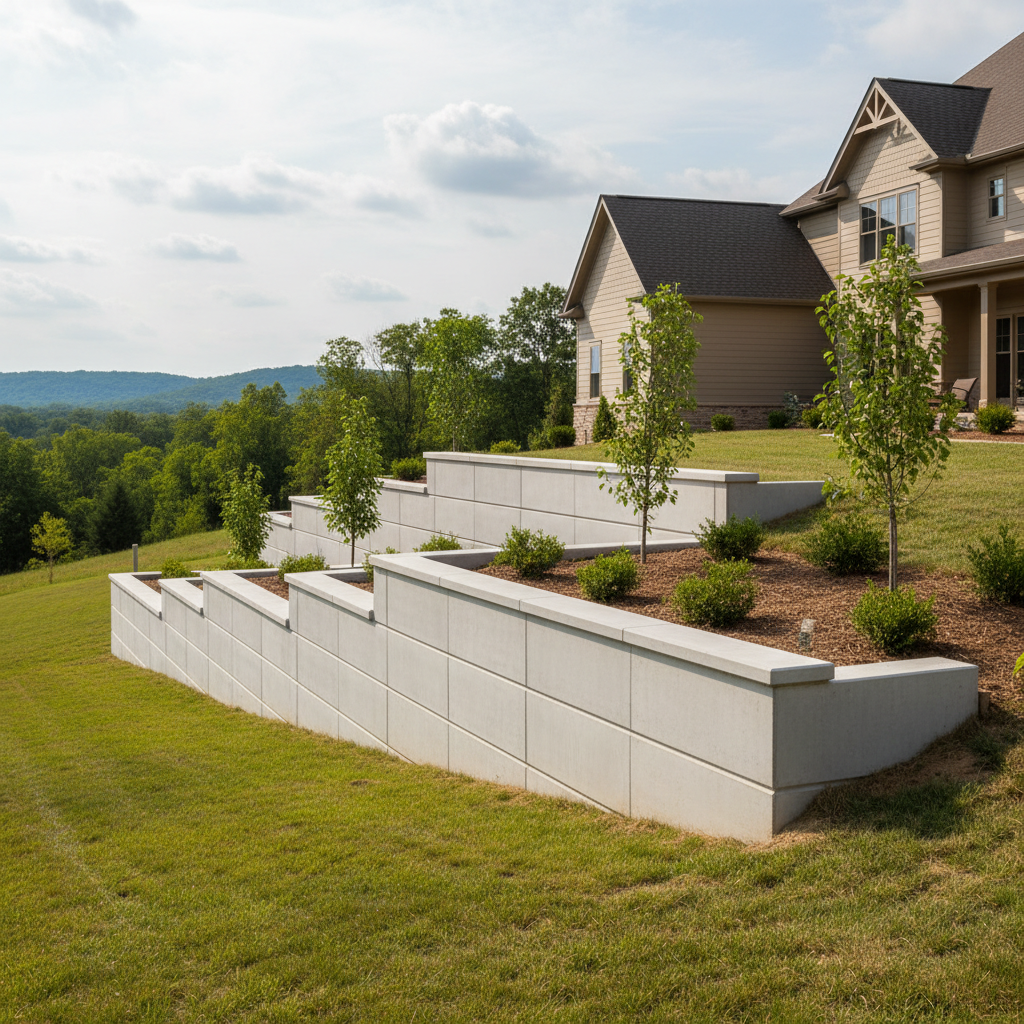
You're looking at your sloped yard, maybe dealing with some erosion, or just want to create more usable space. A concrete retaining wall can be a fantastic solution. Done right, it adds value, solves problems, and looks great. Done wrong? Well, that's where the headaches start. As someone who's been building these things around Spokane for years, I've seen the good, the bad, and the downright ugly. Let's talk about the most common mistakes homeowners make when they're planning or hiring for a retaining wall project.
Mistake #1: Skipping the Site Assessment & Engineering
This is probably the biggest one. You might think, "It's just a wall, right?" Wrong. Especially here in Spokane, with our varied soil conditions – from that rocky, volcanic stuff up north to the more clay-heavy soils down by the river – you can't just guess. A retaining wall isn't just holding back dirt; it's holding back tons of dirt, and often water too. If you don't understand the soil type, the water drainage patterns, and the load the wall needs to bear, you're setting yourself up for failure.
I've seen walls crack, lean, and even completely fail because someone tried to cut corners and didn't get an engineer involved. For anything over four feet tall, or if there's any structure or significant load above it, you absolutely need an engineer's stamp. They'll tell you about proper footings, rebar placement, and drainage. Without that, you're just gambling with your investment and potentially your property's safety.
Mistake #2: Underestimating Drainage Needs
Water is the enemy of any retaining wall. It's relentless. If you don't have a solid plan for managing water behind and around your wall, it's going to find a way to cause problems. Hydrostatic pressure – the force of water building up – can push even the strongest wall over time. I've seen it happen. Folks will build a beautiful wall, but forget the gravel backfill, the perforated pipe (weep holes), or proper grading.
Here's what you need:
- **Gravel Backfill:** A good layer of clean, coarse gravel directly behind the wall allows water to drain freely.
- **Perforated Pipe:** Often called a French drain, this pipe collects water and directs it away from the wall. It's usually wrapped in a filter fabric to prevent clogging.
- **Weep Holes:** These are small openings in the wall itself that allow collected water to escape.
- **Proper Grading:** Make sure the ground slopes away from the top of the wall so water doesn't pool there.
Don't let anyone tell you these are optional. They're critical for the longevity of your wall.
Mistake #3: Choosing the Wrong Contractor (or the Cheapest Bid)
This one's tough because everyone wants a good deal. But with retaining walls, the cheapest bid is often the most expensive in the long run. I'm not saying you need to pay top dollar, but you need to pay for quality and experience. Here's what to watch out for:
- **No Portfolio/References:** A good contractor will have plenty of examples of their work and happy clients you can talk to. If they can't show you walls they've built, that's a huge red flag.
- **No Insurance:** Make sure they're licensed, bonded, and insured. If something goes wrong on your property, you don't want to be held liable.
- **Vague Contracts:** A detailed contract should outline everything: materials, timeline, payment schedule, and what happens if unforeseen issues arise. If it's just a handshake and a number, run.
- **Ignoring Engineering:** If a contractor brushes off the need for an engineer's report, especially for a taller wall, they're either inexperienced or trying to cut corners. Neither is good for you.
At Elite Concrete Solutions, we always emphasize transparency and proper planning. We've seen too many homeowners regret going with the lowest bidder only to call us later to fix a failing wall.
Mistake #4: Not Thinking About Aesthetics & Long-Term Maintenance
A retaining wall is a big feature in your yard. Don't just think about function; think about how it'll look and how it'll fit with your home's style. Concrete offers a lot of versatility – you can stamp it, color it, or even add veneers. Plan for that upfront. Changing your mind after it's poured is expensive.
Also, consider maintenance. While concrete is durable, it's not entirely maintenance-free. You'll want to keep an eye on drainage, clear debris from weep holes, and check for any signs of cracking or shifting. Catching small issues early can prevent bigger problems down the road.
Building a concrete retaining wall is a significant project, but it doesn't have to be a nightmare. Do your homework, get the right professionals involved, and don't cut corners on critical elements like drainage and engineering. You'll end up with a beautiful, functional wall that lasts for decades.