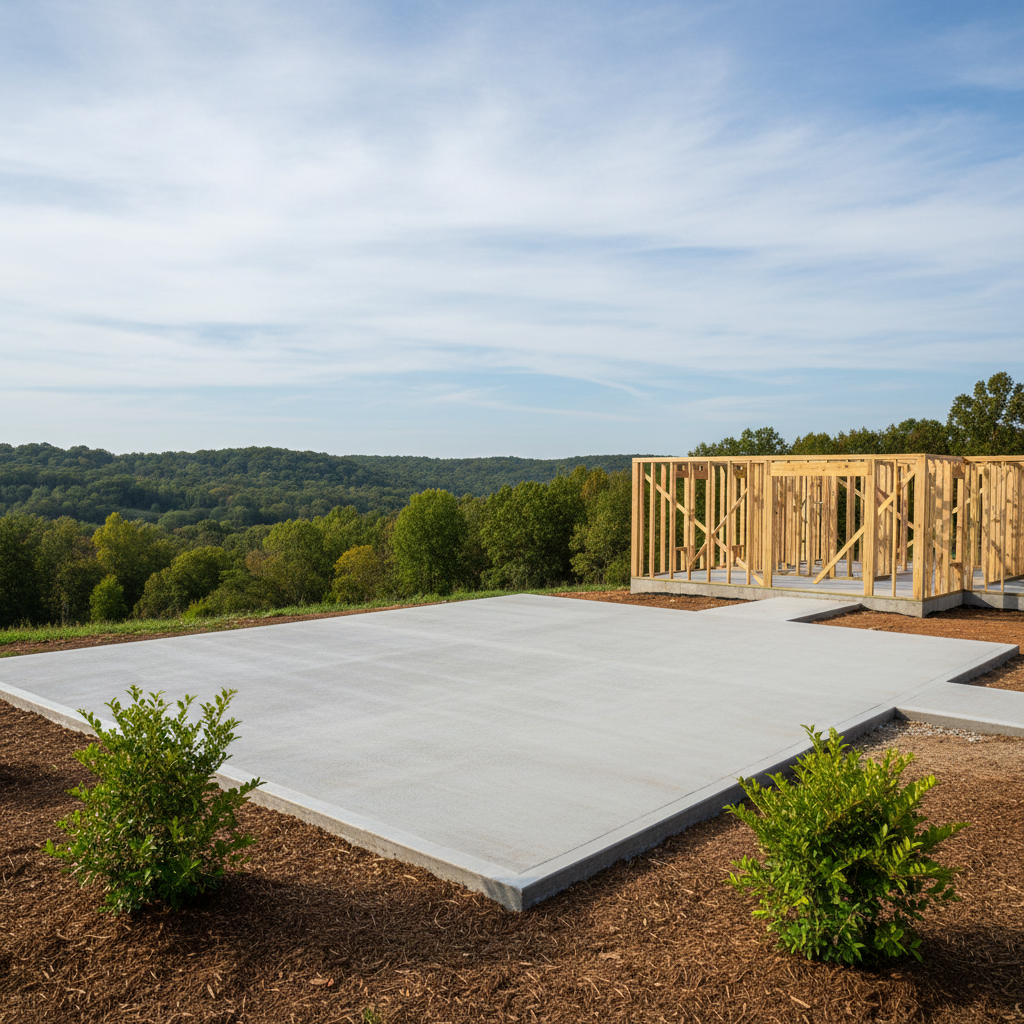
Think about your house. What's the most important part? It's not the fancy kitchen or the new roof, is it? Nope. It's the foundation. That concrete slab or crawl space is what holds everything up, keeps your walls straight, and protects your biggest investment.
Here in Spokane, we've got some unique challenges for foundations. Our freeze-thaw cycles in winter, especially when we get those sudden thaws after a deep freeze, can really put stress on concrete. And let's not forget our clay-heavy soils in areas like the South Hill, which can expand and contract a lot with moisture changes. So, taking care of your foundation isn't just a good idea, it's essential.
Extend Your Foundation's Life: It's Easier Than You Think
You want your foundation to last as long as your house, right? Maybe even longer. Here's what I tell folks:
- Manage Water, Period: This is the big one. Water is the enemy of foundations. Make sure your gutters are clean and in good repair. Seriously, check them twice a year. Downspouts need to extend at least 5-10 feet away from your foundation. You don't want water pooling right up against the concrete. Grade your landscaping so water flows away from the house, not towards it. We get some serious rain sometimes, and if that water just sits there, it'll find a way in or cause trouble.
- Maintain Consistent Soil Moisture: This sounds counterintuitive after what I just said, but hear me out. For our clay soils, extreme drying followed by extreme wetting can be bad. A little bit of consistent moisture is better than bone-dry then soaking wet. In really dry spells, especially in summer, a soaker hose around the foundation perimeter, a few feet out, can help keep the soil from shrinking too much. Don't overdo it, though!
- Watch Your Landscaping: Trees and large shrubs look great, but their roots can be a problem. Roots seek water, and sometimes they'll grow under your foundation, especially if there's a small leak. Keep larger plants a good distance away – at least 10-15 feet for big trees.
- Seal Cracks Early: Small cracks aren't always a disaster, but they're an open invitation for water. If you see hairline cracks, especially in your basement or crawl space walls, seal them with a good quality concrete caulk or hydraulic cement. It's a simple, cheap fix that can prevent bigger headaches.
Regular Maintenance: Your Foundation's Check-Up
Think of this like your car's oil change – simple, but crucial. I recommend doing a foundation check-up at least once a year, maybe in the spring after the snow melts and things dry out a bit, or in the fall before winter sets in.
- Walk Around Your House: Get outside and walk the perimeter. Look for any new cracks in the foundation walls, shifting soil, or areas where water might be pooling.
- Inspect Gutters and Downspouts: Are they clear? Are they directing water far enough away?
- Check Grading: Does the ground slope away from your house? If not, you might need to add some soil to build up the grade.
- Basement/Crawl Space Inspection: Go inside. Look for cracks, efflorescence (white powdery stuff, which means moisture is coming through), musty smells, or signs of pests.
Warning Signs: When to Pay Closer Attention
Sometimes, things go wrong despite your best efforts. Here are the red flags that tell you your foundation might be in trouble:
- Cracks: Not just any crack, but horizontal cracks, stair-step cracks in brick veneer, or cracks that are wider than a quarter-inch. Vertical cracks that are getting wider over time are also concerning.
- Uneven Floors: Do your floors feel bouncy or sloped? Is furniture leaning?
- Sticking Doors and Windows: If doors and windows that used to open and close fine are now sticking, it could be a sign that the house frame is shifting due to foundation movement.
- Gaps Around Window/Door Frames: Look for gaps between the frame and the wall.
- Bowing Walls: In your basement or crawl space, if you see walls that are bulging inward, that's a serious sign of pressure.
- Wet Basement or Crawl Space: Any standing water, persistent dampness, or strong musty odors are bad news.
When to Call a Professional: Don't DIY Everything
Look, I'm all for homeowners tackling projects, but some things are best left to the pros. When you see those serious warning signs I just mentioned, or if you're just not sure, it's time to call in someone like us at Elite Concrete Solutions. We've seen it all.
You should call a professional foundation repair specialist if:
- You have significant cracks (horizontal, wide, or growing).
- You notice bowing or bulging foundation walls.
- There's persistent water intrusion in your basement or crawl space that simple fixes aren't solving.
- You have noticeable unevenness in your floors.
- Your doors and windows are consistently sticking due to structural issues.
- You're just plain worried. A professional inspection can give you peace of mind or identify problems before they get worse.
Don't wait until a small issue becomes a massive, expensive repair. Your foundation is literally the bedrock of your home. Take care of it, and it'll take care of you.