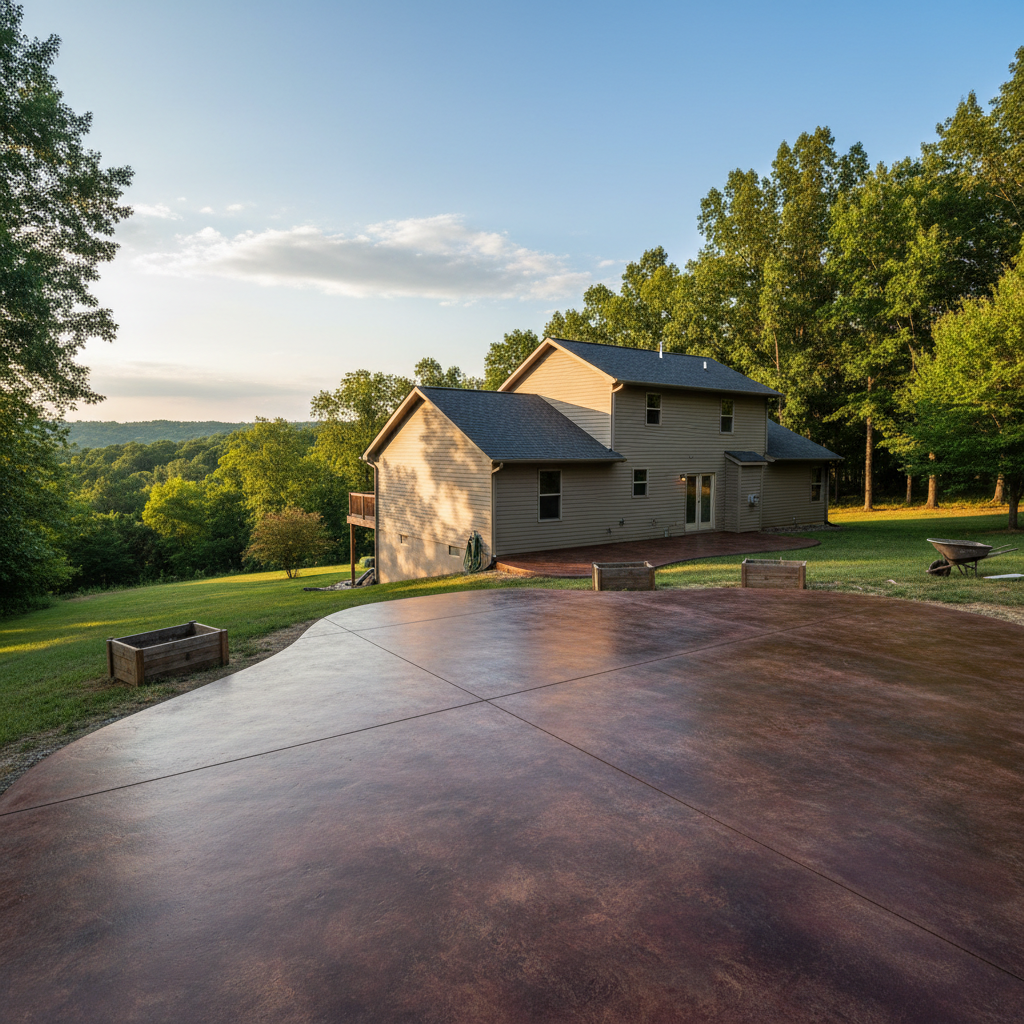
So, you're thinking about sprucing up that old concrete patio, basement floor, or even your garage with some stain, huh? It's a great idea, honestly. Concrete staining can totally transform a space, making it look custom and high-end without the full tear-out and replacement cost. But I've seen my fair share of folks around Spokane mess this up, and it usually comes down to a few common blunders.
Mistake #1: Not Really Getting What Staining Is
This is probably the biggest one, wouldn't you say? A lot of people confuse concrete staining with painting. They're not the same thing, not even close. Paint just sits on top of the concrete surface, forming a layer. It can chip, peel, and wear away, especially in high-traffic areas or with our harsh Spokane winters and those brutal freeze-thaw cycles. Stains, on the other hand, actually soak into the concrete. Acid stains react chemically with the minerals in the concrete, creating a translucent, variegated, marble-like effect. Water-based stains seep into the pores, giving you a more opaque but still natural look. Neither one will give you a perfectly uniform, opaque color like paint would. If that's what you're after, you might be looking for an epoxy coating or a concrete overlay, not a stain. Knowing the difference upfront saves a lot of disappointment.
Mistake #2: Ignoring the Concrete's Condition
You can't just slap stain on any old concrete and expect magic. The condition of your existing concrete is huge. Got cracks? Pitting? Uneven patches? Old paint or sealers? All of that needs to be addressed first. Stains are translucent, remember? They'll highlight imperfections, not hide them. If you've got a big oil stain in the garage, a concrete stain isn't going to make it disappear. It'll probably just make it a darker oil stain, if we're being honest. Proper cleaning, etching, and sometimes even grinding are non-negotiable prep steps. If a contractor tells you they can just clean it and stain it, and your concrete looks like it's been through a war, that's a red flag. Elite Concrete Solutions always takes the time to assess the surface properly before we even talk color.
Mistake #3: Skimping on Surface Preparation
This goes hand-in-hand with the last point, but it's so critical it deserves its own mention. Surface prep is 80% of a good staining job. I'm talking about deep cleaning, degreasing, and making sure the concrete is porous enough to accept the stain. If the surface isn't clean or if it's too dense, the stain won't penetrate evenly, or at all. You'll end up with splotchy, inconsistent color that looks amateurish. And if there's any old sealer or coating left on the concrete, the stain won't be able to react or absorb properly, leading to failure. It's tedious work, sure, but it's where the pros earn their money. Don't let anyone skip this step to save a buck.
Mistake #4: Picking the Wrong Type of Stain or Color
There are acid stains, water-based stains, and even some hybrid options. Each has its own characteristics, color palette, and application method. Acid stains give you earthy, muted tones – browns, tans, greens, and blues – with a lot of variation. Water-based stains offer a wider range of colors and more consistent coverage, but still aren't opaque. Then there's color. What looks good on a small sample might look totally different on a large surface, especially with the natural light in your home or backyard. Always look at samples on actual concrete, if possible, and in the space where it'll be applied. Don't just pick a color from a brochure. Consider how it'll look with your home's existing colors and decor.
Mistake #5: Not Sealing Properly (or at all)
Once the stain is down and cured, it's not done. You absolutely have to seal it. The sealer protects the stain from wear, UV rays, and spills, and it also enhances the color. Without a good quality sealer, your beautiful new stained concrete will fade, scratch, and get dirty really fast. And not just any sealer will do. You need one that's appropriate for the traffic, exposure (indoor vs. outdoor), and the type of stain used. Some sealers are topical, creating a protective film, while others penetrate. Gloss levels vary too. This isn't an area to cut corners. A good sealer is the final layer of protection that makes your investment last.
Mistake #6: Trying to DIY Without Research (or the Right Tools)
I get it, you're handy. You've watched a few YouTube videos. But concrete staining isn't like painting a wall. There's a real art and science to it. From the proper surface prep equipment (grinders, pressure washers strong enough to strip old coatings) to the application techniques (sprayers, brushes, rollers), and understanding how different concrete mixes react, there's a lot to learn. If you're not experienced, you can easily end up with uneven color, lap marks, or a finish that peels. Sometimes, trying to save money by doing it yourself ends up costing you more to fix the mistakes. For a professional, durable finish, it's often best to call in someone who does this day in and day out.
Staining concrete is a fantastic way to upgrade your property. Just make sure you go into it with your eyes open, understand the process, and don't cut corners on prep or sealing. You'll be much happier with the results in the long run.