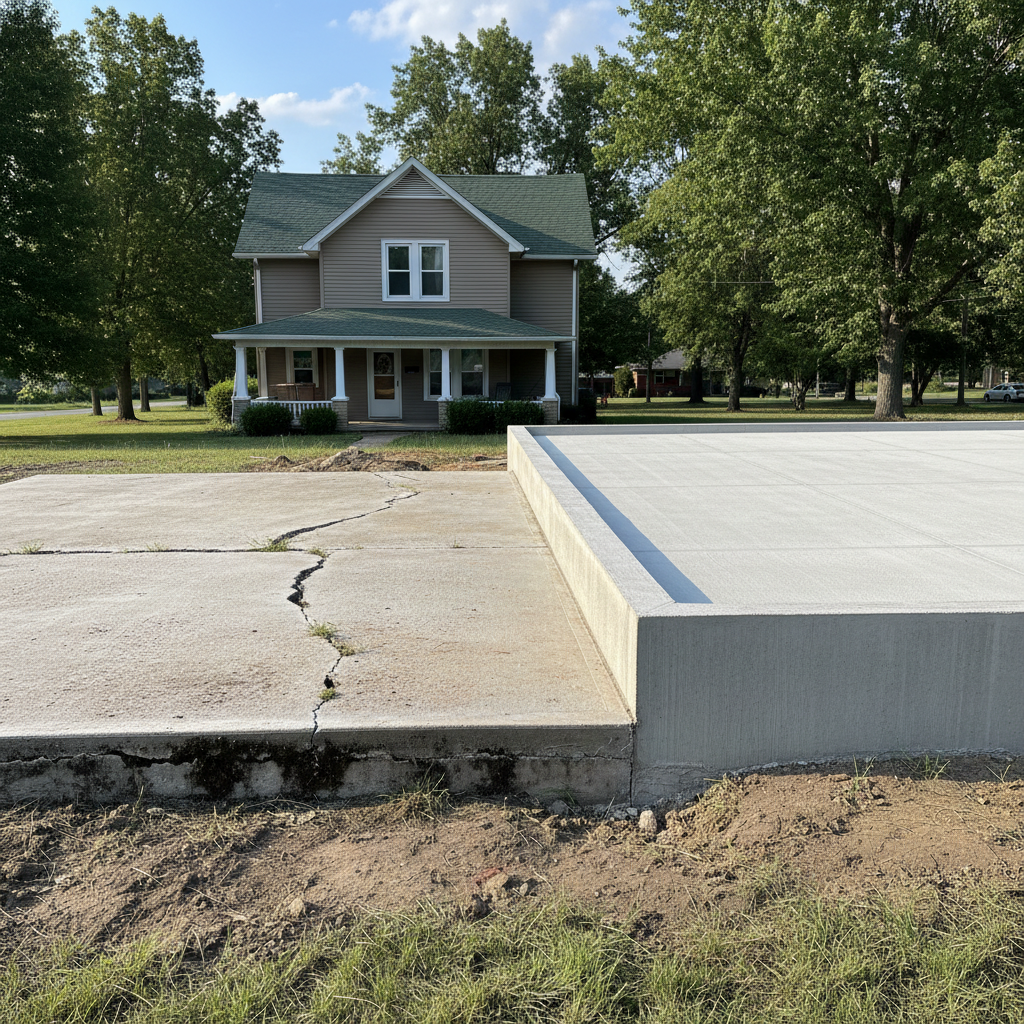
Building a new home or adding on in Spokane? One of the first big decisions you'll face is about the foundation. You've got a couple of main routes: a concrete slab-on-grade or a traditional crawl space. Both get the job done, but they're pretty different in how they're built, what they cost, and what they mean for you down the road. As someone who's poured a lot of concrete around here, I've seen the good and the bad of both.
What's a Concrete Slab Foundation?
Alright, let's start with the slab. When we talk about a slab foundation, we're talking about a single, solid piece of concrete that's poured directly on the ground. It's usually thickened around the edges where the exterior walls will sit, and it often incorporates the footings right into that pour. We call that a 'monolithic slab' sometimes. Before we pour, we'll prep the ground really well – compacting the soil, laying down a vapor barrier, and maybe some insulation depending on the design and energy codes. Then, we lay down rebar or wire mesh for reinforcement and pour the concrete.
What's a Crawl Space Foundation?
A crawl space is a bit different. With this approach, we first dig and pour concrete footings below the frost line (which, around Spokane, is usually 30-36 inches deep, sometimes more if you're up in the hills). Then, we build short walls on top of those footings, usually out of concrete block or poured concrete. These walls create a space between the ground and the first floor of your house – that's your crawl space. The floor joists for your home's first level then sit on top of these walls.
Cost: Where Does Your Money Go?
Let's be real, cost is usually a big factor for folks. Generally speaking, a concrete slab foundation is going to be less expensive upfront. You're using less material overall, and the labor involved is usually quicker because it's one big pour. There's less excavation, no block laying, and no need for a separate floor framing system. If you're on a tighter budget, a slab often looks pretty attractive.
Crawl spaces, on the other hand, typically cost more. You've got the footings, then the block or poured walls, then you have to frame out the floor system with joists and subflooring. That's more materials and more labor. Plus, you need access points, and sometimes ventilation or encapsulation for moisture control, which adds to the bill.
Durability and Longevity
Both types of foundations, when done right by a reputable outfit like Elite Concrete Solutions, are incredibly durable. Concrete is tough stuff. With a slab, you've got a solid, unyielding base. There's no space underneath for critters or moisture to accumulate in the same way. If the ground prep is good and the concrete is mixed and cured correctly, it'll last for generations.
Crawl spaces are also very durable, but they introduce more variables. You've got wood framing for your floor, which can be susceptible to moisture, rot, or pests if the crawl space isn't properly managed. However, the concrete footings and walls themselves are just as strong as a slab. The key here is proper drainage around the exterior and good ventilation or encapsulation inside the crawl space to prevent problems.
Maintenance and Repairs
This is where the differences really start to show up. With a slab, maintenance is pretty minimal. You're mostly just making sure your gutters are working and water is draining away from the foundation. If you have a plumbing leak under the slab, though, that can be a real headache. Repairing it often means jackhammering through the concrete to get to the pipes, which is disruptive and costly.
Crawl spaces offer much easier access for repairs. Plumbing, electrical, and HVAC lines are all exposed and accessible. If you have a leak or need to run new wiring, it's usually a straightforward job for a plumber or electrician to get in there and do the work without tearing up your living room floor. However, crawl spaces do require more active maintenance. You need to periodically check for moisture, mold, pests, and ensure vents aren't blocked. If you've got an unsealed crawl space, you might even find some unexpected wildlife taking up residence.
Comfort and Appearance
From a comfort perspective, a crawl space often wins out. A framed floor over a crawl space has a bit more 'give' than a concrete slab, which some people find more comfortable to walk on. It also provides a natural air barrier and insulation layer between the cold ground and your living space, which can make your floors feel warmer in the winter.
Slabs can feel colder underfoot, especially if radiant heating isn't installed. They also transmit more ground moisture into the home if the vapor barrier isn't perfect, which can affect indoor air quality. Visually, once the house is built, you don't really 'see' the foundation, but the feel of the floor is something you'll notice every day.
My Recommendation for Spokane Homes
Alright, so which one should you pick for your Spokane home? Given our climate – those cold, damp winters and sometimes hot, dry summers – and the clay-heavy soils we often deal with, especially in areas like the South Hill, I lean towards a well-built crawl space. Here's why:
- Moisture Management: Spokane gets its share of rain and snowmelt. A crawl space, when properly designed with good drainage and either vented or encapsulated, gives you more control over moisture. It keeps your living space further away from ground moisture.
- Utility Access: As I mentioned, having easy access to plumbing and electrical lines under your house is a huge plus. It makes future repairs or upgrades much simpler and less invasive.
- Comfort: That slightly warmer, more forgiving floor in the winter? It's a real benefit when the temperatures drop below freezing for weeks on end.
- Soil Conditions: Our soils can be tricky. While we always do thorough site prep for slabs, the flexibility of a crawl space foundation can sometimes be more forgiving with minor ground movement over time.
Now, don't get me wrong, a slab foundation is still a perfectly viable and often excellent choice, especially for garages, sheds, or homes where budget is the absolute top priority and you're willing to accept the potential downsides of sub-slab repairs. But for a primary residence here in Spokane, considering all the factors, a crawl space usually offers more long-term benefits and peace of mind.
No matter which way you go, the quality of the work matters most. You want experienced pros who know Spokane's ground and weather patterns. If you're planning a project, give us a call at Elite Concrete Solutions. We're happy to walk through your options and make sure you get a foundation that'll stand strong for decades.