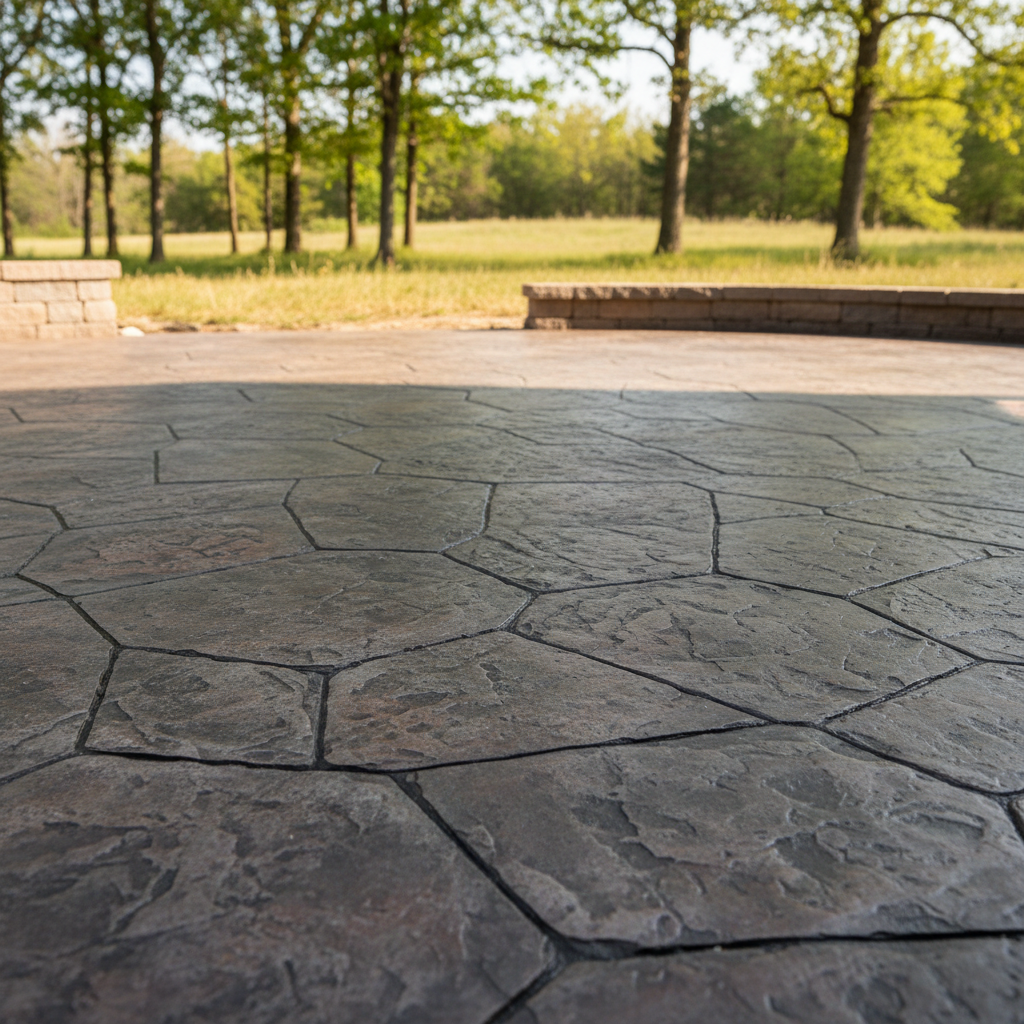
Ever look at a plain gray concrete slab and wish it had a bit more character? Transforming your outdoor space with Decorative Concrete is one of the best ways to boost your home's curb appeal. But before you rent a mixer or buy a pallet of materials, you need a solid game plan. Here is what you should know about planning, executing, and maintaining your project.
Before You Pour: Planning and Preparation
Getting ready for a Decorative Concrete project takes more than just picking out a nice color or pattern. You have to look at what is under your feet. Here in Spokane, MO, our clay-heavy soil can shift drastically between the wet spring months and the scorching heat of summer. If your base is not prepped right, even the fanciest decorative finish will crack under pressure.
You need to map out your drainage, check your property lines, and decide on the scope. This is also the stage where you draw the line between a weekend DIY project and professional work. Are you pouring a brand new slab, or are you dressing up an existing one?
DIY vs. Pro: Where Do You Draw the Line?
Homeowners need to be realistic about what they can actually pull off on their own. Honesty saves you money and prevents a total backyard disaster.
- Cleaning, acid-washing, and rolling a fresh coat of concrete stain on an existing, sound patio is totally doable for a dedicated DIYer over a weekend.
- Hand-troweling a small, basic garden path with integral color if you work fast and know how concrete sets is something you can manage.
- Pouring a large, stamped driveway or complex patio that requires precise timing, specific stamping tools, and professional grading is where things go sideways fast.
Concrete waits for no one. Once it starts setting, it does not care if you are tired, confused, or missing a tool. Elite Concrete Solutions often gets calls from homeowners who started a big decorative pour themselves, hit a snag during the stamping phase, and ended up with a set-in-stone mess that requires heavy machinery to fix.
During the Project: Execution and Timing
If you are tackling a smaller surface staining or resurfacing job yourself, timing is everything. Read the manufacturer instructions twice, especially regarding weather and humidity. You do not want to apply a stain when a sudden Ozark thunderstorm is rolling in.
If you hired a crew for a major decorative installation, your job changes. Stay out of their way, but keep an eye on the details. Make sure they are using proper expansion joints and that the stamping depth is consistent across the entire surface. Elite Concrete Solutions will walk you through each phase so you are not left guessing what happens next.
After the Project: Curing and Upkeep
The project does not end when the truck leaves or the tools are put away. How you treat your Decorative Concrete in the first few weeks dictates how it looks ten years from now. Keep the new surface moist during the initial curing phase if required, and keep heavy traffic off it until it reaches full strength.
Sealing is very important for your investment. Decorative Concrete—whether it is stained, stamped, or stenciled—needs a quality sealer reapplied every couple of years to fight off moisture and UV fading. Give it a quick sweep and a gentle wash, and your outdoor living spaces will keep turning heads for years to come.