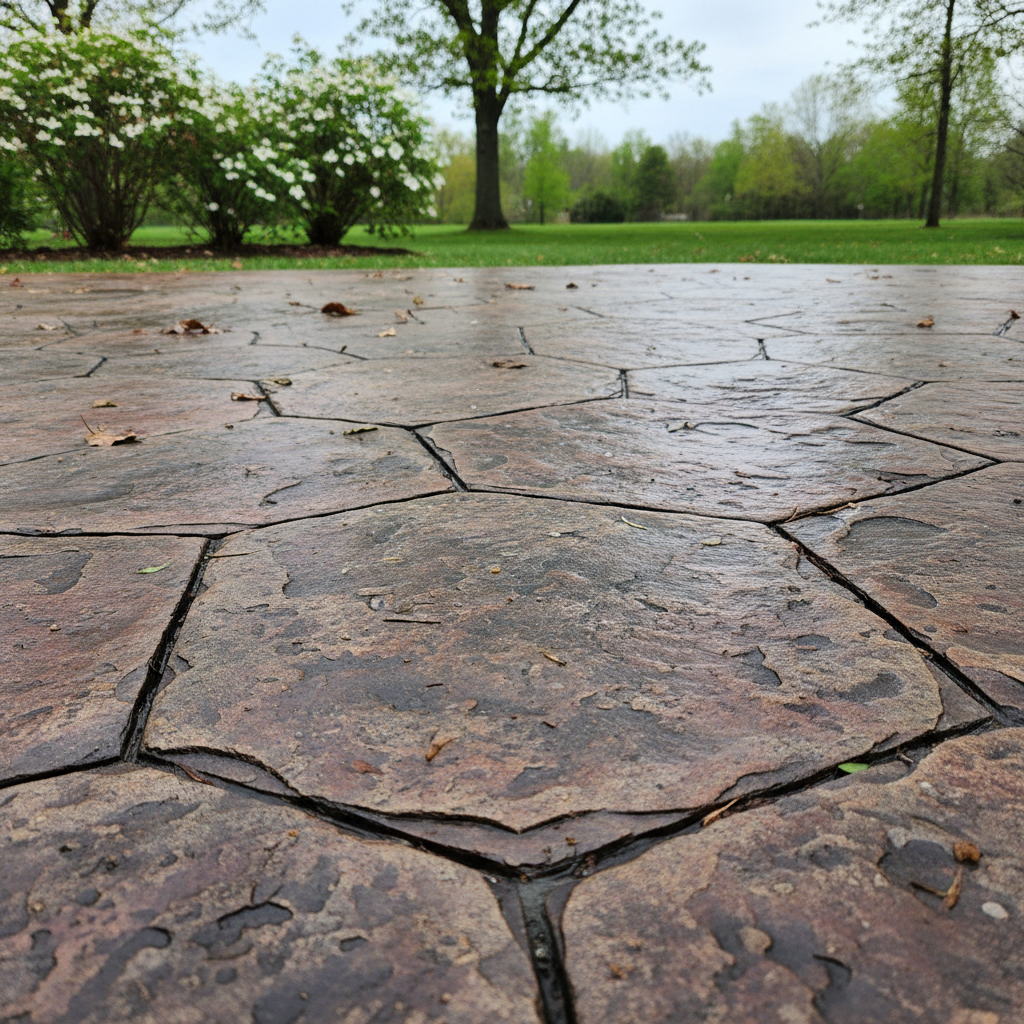
So, you're thinking about sprucing up your place with some decorative concrete, huh? Maybe a cool new patio, an entryway that really pops, or even an indoor floor that's way more than just plain gray. It's a fantastic idea, truly, and I've seen it totally transform a lot of homes right here in Spokane. But before you jump in, let's chat a bit about what decorative concrete actually means for you, the homeowner, and what you can realistically tackle yourself versus when you absolutely, positively need to bring in a professional.
What Even Is Decorative Concrete?
When most folks hear 'decorative concrete,' their minds usually jump straight to stamped concrete. And sure, that's a huge part of it. But it's actually much more than just stamping. Really, it's any concrete that's been treated to look better than plain old gray. We're talking about things like:
- Stamping: This is where we press special molds into fresh concrete. It can make it look like stone, brick, wood, or even some pretty unique patterns.
- Staining: We apply acid or water-based stains to create translucent, varied colors. This isn't paint, by the way; it actually reacts with the concrete itself.
- Polishing: Here, we grind the concrete surface until it's super shiny, sometimes even exposing the aggregate underneath. Think durable, high-gloss floors.
- Overlays: This involves putting a thin layer of polymer-modified cement right over existing concrete. Then, we can stain, stamp, or texture that new surface.
- Epoxy Coatings: These are really durable, often colorful coatings. They're especially popular for garage floors or commercial spaces, for obvious reasons.
Each of these options comes with its own set of challenges and rewards. The big question for you, though, is which one are you eyeing, and how much elbow grease are you truly willing to put in?
Before You Start: Planning & Prep
This stage is where you, the homeowner, can do a lot of the heavy lifting. And that's true no matter what kind of decorative concrete you're planning. Good planning, after all, saves you a ton of headaches and money down the road.
- Figure Out Your Vision: What kind of look are you going for? Browse online, check out local Spokane businesses, and gather some ideas. Do you want something subtle, or are you aiming for a real showstopper?
- Assess Your Existing Concrete: If you're working with a slab that's already there (for staining, polishing, or an overlay), you absolutely need to check its condition. Cracks, spalling (that's flaking), or really uneven spots might mean it needs significant repair first. Small, hairline cracks? Maybe an overlay can cover those. But big, structural cracks? You might need a whole new slab, and that, my friend, is definitely a pro job.
- Understand the Environment: Here in Spokane, our freeze-thaw cycles can be pretty tough on concrete. Make sure whatever decorative option you pick is suitable for outdoor use if that's where it's going. Good drainage is key. Also, think about the soil conditions; we've got some pretty rocky soil around Spokane, especially up in places like the South Hill, which can really impact new pour foundations.
- Budget Realistically: Get some quotes, even if you plan to DIY parts of it. Materials aren't cheap, and specialized tools can add up fast if you're only going to use them once.
- Permits: For new pours or any significant structural changes, you'll probably need a permit from the city or county. Don't skip this step — it's important!
DIY vs. Calling a Pro: Where's the Line?
Alright, let's get down to brass tacks. What can you realistically do yourself?
DIY-Friendly Decorative Concrete
- Basic Staining (Water-Based): If you've got a clean, unsealed concrete slab that's in good shape, applying a water-based stain can be a really rewarding DIY project. It's kind of like painting, but with a bit more finesse. You'll need good prep (cleaning is huge!), proper application tools (sprayers, brushes), and a quality sealer.
- Simple Epoxy Coatings (Garage Floors): Many home improvement stores sell DIY epoxy kits for garage floors. Homeowners can certainly do these, but read the instructions *very* carefully. Prep, honestly, is 90% of the job here – cleaning, etching, and patching. Any oil or grease left behind, and your epoxy just won't stick.
- Sealing/Resealing: This is absolutely a DIY task you should be doing regularly, especially for outdoor decorative concrete. It protects your investment and keeps it looking great. Just clean the surface thoroughly, then apply a quality sealer according to the manufacturer's instructions.
When to Call Elite Concrete Solutions (or another Pro)
This is where you save yourself a lot of grief, wasted money, and potential structural issues. Trust me on this one.
- New Concrete Pours: If you're pouring a new patio, driveway, or foundation, call a pro. Period. Getting the sub-base right, the proper mix, correct slope for drainage, and a level, smooth finish is both an art and a science. Then, adding decorative elements like stamping or integral color to fresh concrete requires speed, experience, and specialized equipment.
- Acid Staining: While some brave DIYers try it, acid staining is tricky. It's reactive, meaning the final color can be unpredictable, and working with acids requires proper safety gear and ventilation. Pros know how to manage expectations and achieve consistent results.
- Polished Concrete: This requires heavy-duty grinding equipment that you're just not going to buy for one project. It's a multi-step process with specialized diamonds and sealers. Definitely a job for the experts.
- Overlays for Damaged Concrete: While some simple, thin overlays might be marketed as DIY, if you have significant surface damage you're trying to cover, or if you want a stamped or textured overlay, you'll want a pro. Getting the adhesion right and creating a seamless, durable finish is tough.
- Complex Stamped Concrete: If you want intricate patterns, multiple colors, or a large stamped area, leave it to a professional concrete contractor. The timing for stamping is critical – too wet, and the pattern blurs; too dry, and it just won't impress. Pros have the crew, the tools, and the know-how to get it done right and on schedule.
- Structural Repairs: If your existing concrete has significant cracks, heaving, or sinking, you're beyond a decorative fix. You need a structural repair, which often involves specialized equipment and expertise to address the root cause.
During the Project: What to Expect
If you're DIYing a stain or epoxy, take your time. Read all instructions twice. Don't rush prep. Wear appropriate safety gear. Work in sections if necessary. And remember, concrete is porous, so absorbency can vary, leading to slight color differences. That's part of its charm, right?
If you hire us or another professional, you'll see a crew that knows what they're doing. There will be equipment, noise, and sometimes a bit of a mess, but it's all part of the process. Ask questions if you have them. A good contractor will keep you in the loop.
After the Project: Maintenance is Key
Whether you DIY or hire a pro, maintenance is crucial for decorative concrete. It's not a 'set it and forget it' kind of thing, especially outdoors.
- Clean Regularly: Sweep or hose off debris. For tougher grime, use a mild detergent and a stiff brush, or a pressure washer on a low setting (be careful not to damage the sealer or surface).
- Reseal Periodically: This is the big one. Outdoor decorative concrete in Spokane should be resealed every 1-3 years, depending on traffic and sun exposure. Indoor surfaces might go longer. The sealer protects against stains, abrasion, and our lovely weather.
- Address Spills Quickly: Especially for oil, grease, or anything acidic.
- Avoid Harsh Chemicals: Stick to cleaners recommended for concrete.
Decorative concrete adds real value and beauty to your home, but knowing your limits and understanding the process is key to a successful project. Don't be afraid to get your hands dirty on the simpler stuff, but for anything complex or structural, trust me, it's worth bringing in the pros.