What's the deal with concrete cracking? Is it normal?
Yeah, it's normal. I know, nobody wants to hear that when they're paying good money for a new driveway or patio. But here’s the honest truth: concrete cracks. It’s a natural part of how the material behaves. Think of it like this: concrete shrinks a little as it dries and cures, and it expands and contracts with temperature changes. That movement creates stress, and eventually, that stress has to relieve itself somewhere. That’s where the cracks come in.
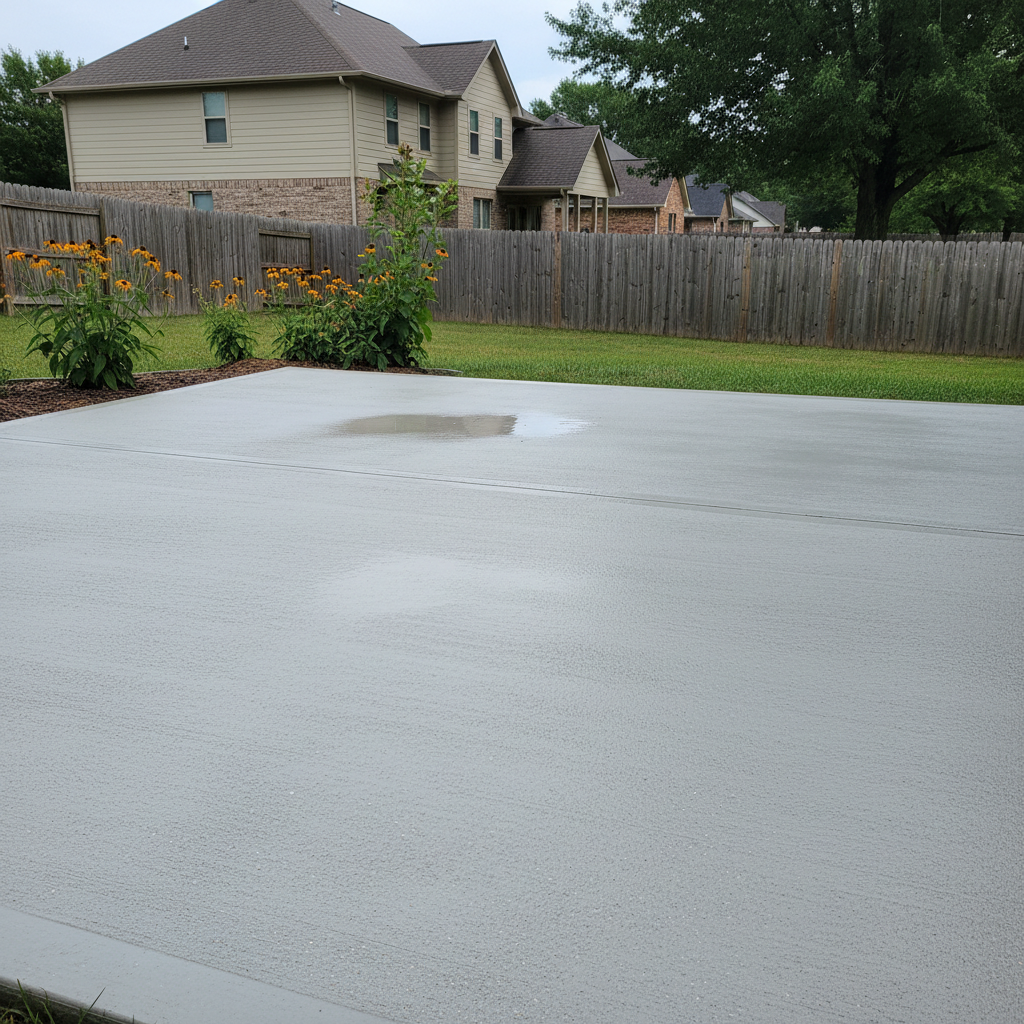
Now, while some cracking is unavoidable, excessive or structural cracking isn't. That's usually a sign of poor installation, bad sub-base prep, or not enough control joints. We put in control joints – those saw cuts you see – specifically to encourage the concrete to crack in those neat, straight lines instead of all over the place. A good contractor will tell you this upfront and explain how they minimize cracking, not promise you a crack-free slab. If someone tells you their concrete will never crack, they're not being straight with you.
How long until I can walk or drive on my new concrete?
This is a big one, and it's super important to get right if you want your concrete to last. For walking, you can usually step on it lightly after about 24 hours. But I mean lightly. Don't go dragging heavy furniture across it or letting the kids ride bikes on it yet.
For driving, you need to be way more patient. We usually tell folks to wait at least 7 days before driving a standard passenger vehicle on a new driveway. For heavier vehicles, like a moving truck or an RV, you're looking at 28 days. That's because concrete reaches its full strength around the 28-day mark. If you drive on it too soon, especially when it's still curing and gaining strength, you can cause permanent damage – cracks, depressions, or even breaking off chunks. It's tough to wait, I know, but it's worth it for the longevity of your investment.
Do I need to seal my concrete? How often?
Absolutely, you should seal your concrete. Think of it as sunscreen and a raincoat for your slab. Concrete is porous, meaning it has tiny little holes that can absorb water, oil, chemicals, and all sorts of other stuff. Here in Spokane, with our freeze-thaw cycles in the winter, that absorbed water can freeze, expand, and cause surface damage like spalling or pitting. Plus, a good sealer helps protect against stains from oil drips, leaves, and general grime.
How often? For most residential applications, I recommend sealing every 2-3 years. If you've got a high-traffic area, or if it's exposed to a lot of harsh chemicals or heavy salt use in the winter, you might want to do it annually. It's a relatively inexpensive maintenance step that can significantly extend the life and appearance of your concrete.
What causes those white powdery spots on my concrete?
Ah, efflorescence. That's what you're seeing. It's a pretty common issue, especially with new concrete or in damp conditions. Basically, it's salts that dissolve in water within the concrete. As the water evaporates from the surface, it leaves those dissolved salts behind as a white, powdery residue. It's usually just an aesthetic issue, not a structural problem.
You can often clean it off with a stiff brush and water, or a mild acid solution (be careful with those, follow directions!). Sometimes it just weathers away over time. Good drainage around your concrete and proper sealing can help prevent it from coming back or forming in the first place.
How much does concrete installation cost?
This is the million-dollar question, and there's no single answer. The cost of concrete installation depends on a bunch of factors: the size of the area, the thickness of the slab, whether you need excavation or grading done, the type of finish (plain, broom, stamped, exposed aggregate), accessibility to the site, and the current cost of materials and labor. For example, a simple 4-inch broom-finish patio is going to cost a lot less per square foot than a 6-inch colored and stamped driveway that needs a lot of prep work.
Here in Spokane, material costs fluctuate, and labor rates vary between contractors. The best way to get an accurate price is to get a detailed, written estimate from a reputable company like Elite Concrete Solutions. We'll come out, look at your specific project, and give you a breakdown so you know exactly what you're paying for.
My old concrete is crumbling/pitting. Can it be repaired, or do I need new concrete?
It depends on the extent of the damage. If it's just minor surface flaking or a few small, shallow cracks, sometimes a good repair product or an overlay can do the trick. There are some really advanced resurfacing compounds out there that can make an old slab look almost new, but they're not a magic bullet.
However, if you're seeing widespread pitting, deep structural cracks that go all the way through the slab, significant heaving, or large sections crumbling away, then you're probably looking at replacement. These issues often point to problems with the sub-base, poor concrete quality, or severe freeze-thaw damage over many years. Trying to patch over major structural problems is usually a waste of money because the underlying issue will just cause the repair to fail. We'll always give you an honest assessment of whether a repair is viable or if a full tear-out and replacement is the smarter, more cost-effective long-term solution.