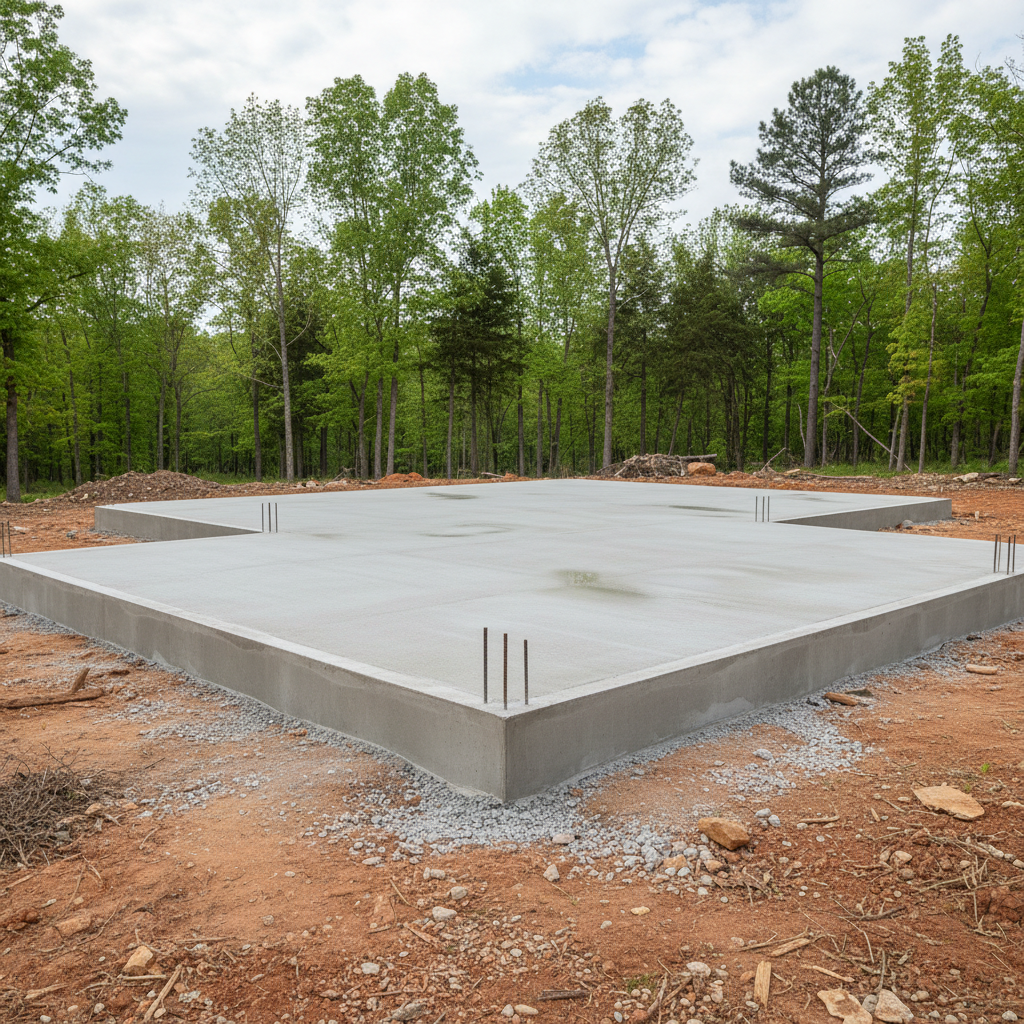
What's the Deal with Foundation Costs?
Let's talk foundations. If you're building a new home, an addition, or even a big garage here in Spokane, the foundation is literally where it all starts. And it's often one of the biggest ticket items early in the project. So, what's a concrete foundation going to set you back around here?
You'll hear a lot of folks say, "it depends." And yeah, it does. But that's not helpful. I'm going to give you some real numbers based on what I see day in and day out with Elite Concrete Solutions, and what factors really push those numbers up or down.
The Big Factors That Drive Foundation Pricing
There are a few key things that'll make your foundation cost more or less. Understanding these helps you budget smarter.
- Type of Foundation: Are we talking a simple slab-on-grade, a crawl space with stem walls, or a full basement? A slab is usually the cheapest per square foot. A crawl space is more, and a full basement is generally the most expensive because of all the excavation and wall height.
- Size and Complexity: This one's obvious. A bigger footprint means more concrete, more rebar, more labor. But complexity matters too. A perfectly square foundation is easier and faster than one with a bunch of jogs, bump-outs, or weird angles. Each corner adds labor.
- Site Conditions: This is a huge one, especially around Spokane. We've got a mix of soil types. If your lot needs a lot of grading, clearing trees, or if we hit a bunch of rock (which isn't uncommon in some of the hilly areas around Spokane Valley or up north), that's going to add to the excavation costs. Poor drainage or unstable soil might mean more extensive footings or a thicker slab, which also costs more.
- Accessibility: Can my trucks and equipment get to the site easily? If we're hauling concrete down a long, narrow driveway or working on a tight lot, that adds time and sometimes special equipment, which adds to the bill.
- Reinforcement: Standard foundations use rebar, but some designs or soil conditions might require more intensive reinforcement, like post-tension cables or extra rebar grids.
- Permits and Inspections: These aren't concrete costs directly, but they're part of the foundation process. Your builder usually handles these, but they're part of the overall project budget.
Typical Cost Ranges for Concrete Foundations in Spokane, MO
Alright, let's get to some actual numbers. Keep in mind these are averages for a standard residential foundation. Prices can fluctuate with material costs, but this should give you a solid ballpark.
- Slab-on-Grade Foundation: For a basic slab, you're usually looking at anywhere from $6 to $10 per square foot. This includes excavation, gravel base, vapor barrier, rebar, and the concrete pour. So, a 1,500 sq ft slab might be $9,000 to $15,000.
- Crawl Space Foundation: This involves deeper excavation, footings, and stem walls. You're generally in the range of $12 to $20 per square foot of the home's footprint. A 1,500 sq ft crawl space could run you $18,000 to $30,000. This includes the concrete work for footings and walls, but not necessarily the crawl space floor itself (which might be dirt, gravel, or a thin concrete rat slab).
- Full Basement Foundation: This is the most involved. It requires significant excavation, taller walls, and often more complex waterproofing. Expect to pay anywhere from $25 to $45 per square foot of the basement's footprint. A 1,500 sq ft basement could be $37,500 to $67,500. This usually includes the walls and the concrete basement floor.
Remember, these are for the concrete work itself. They don't include things like backfilling, waterproofing membranes (beyond standard damp-proofing), or any finishing work inside a basement.
What Should a Foundation Quote Include?
When you get a quote from me or any other reputable contractor, make sure it's clear about what's covered. A good quote for a concrete foundation should typically break down:
- Excavation: Digging out for footings and walls, and grading the site.
- Formwork: Building the forms for the concrete pour.
- Reinforcement: Rebar, wire mesh, and any other steel needed.
- Concrete: The cost of the concrete itself, delivered to the site.
- Pouring and Finishing: The labor to pour the concrete and finish the surface (e.g., screeding, floating).
- Vapor Barrier/Gravel: For slabs, this is crucial.
- Footings and Stem Walls: For crawl spaces and basements.
- Haul-away: Removing excess dirt or debris.
- Cleanup: Making sure the site is tidy when we're done.
Always ask if things like permits, engineered plans, or extensive waterproofing are included or if they're separate line items. Don't assume anything.
How to Avoid Overpaying for Your Foundation
Nobody wants to get ripped off, especially on something as critical as a foundation. Here's my advice:
- Get Multiple Bids: This is standard practice. Get at least three detailed quotes. Don't just compare the bottom line; compare what's included in each bid.
- Check References and Reviews: Any good contractor will have happy customers. Ask for references or check online reviews. You want someone with a track record of quality work.
- Don't Always Go for the Lowest Bid: The cheapest option isn't always the best. A super low bid might mean they're cutting corners, using cheaper materials, or don't have proper insurance. A foundation isn't the place to skimp.
- Ask Questions: If something in the quote isn't clear, ask. A good contractor will take the time to explain it to you.
- Understand the Scope: Make sure you and your contractor are on the same page about exactly what's being built. Any changes mid-project can add costs quickly.
- Be Prepared for the Unexpected: Sometimes, despite all the planning, we hit something unforeseen – like a huge boulder or an old buried pipe. A good contractor will communicate these issues immediately and discuss options.
A solid foundation is literally the bedrock of your home. It's an investment you don't want to mess up. Do your homework, ask the right questions, and work with a local company like Elite Concrete Solutions that knows the Spokane area and cares about doing the job right the first time.